

Best GPS for Snowmobiling: Your Ultimate Guide
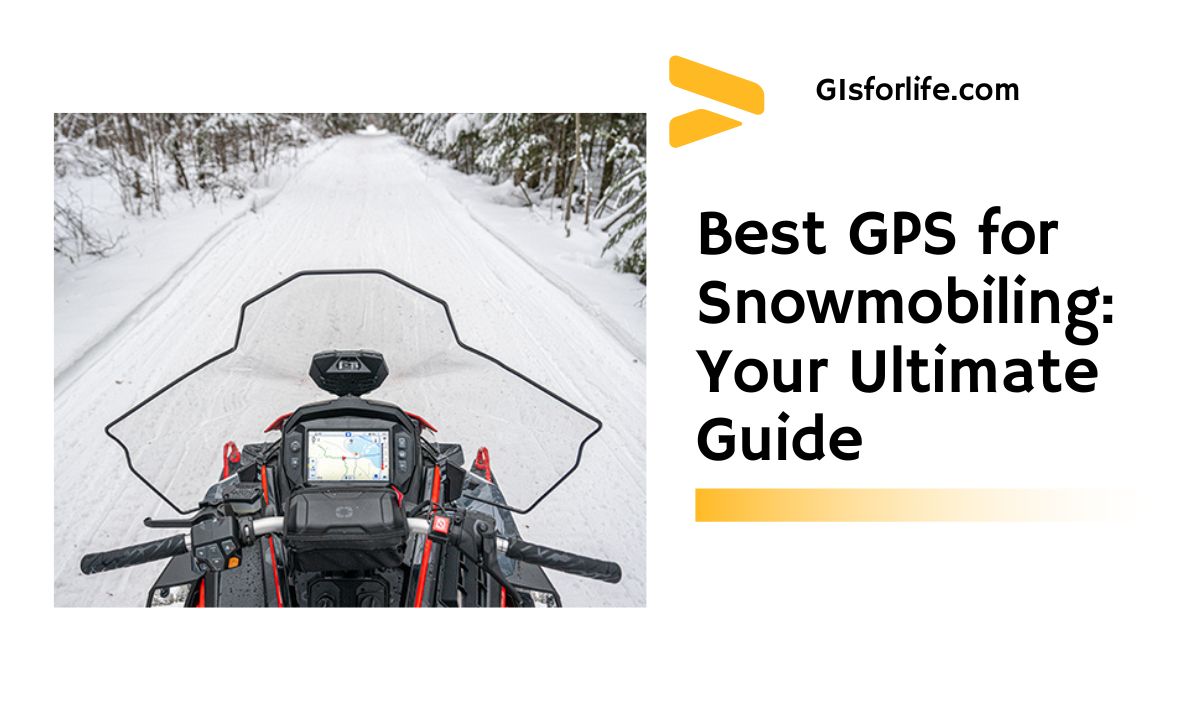
When you’re carving your way through snowy backcountry trails or gliding across vast frozen lakes, one thing becomes crystal clear—navigation is everything. Snowmobiling in remote, snow-packed terrain is equal parts thrilling and unpredictable. And if you’ve ever lost your bearings in a whiteout, you’ll know just how essential a reliable GPS can be.
In this ultimate guide, we’ll break down what makes a GPS perfect for snowmobiling, explore features you should prioritize, and spotlight a few of the top contenders on the market. Let’s get you geared up and confidently cruising through winter landscapes like a pro.
🧭 Why a Dedicated GPS Is Crucial for Snowmobiling
While smartphones and standard car GPS systems have their uses, they don’t hold up well in rugged, snowy environments. Here’s why snowmobilers need a specialized GPS:
- Reliability in Remote Areas: Snowmobile trails often run through areas with poor or nonexistent cellular coverage.
- Weather Resistance: Extreme cold, snow, and moisture can cause ordinary devices to fail or freeze.
- Glove-Friendly Operation: Small touchscreens don’t work well with winter gloves—durability and usability are key.
- Trail Mapping & Waypoints: Purpose-built units offer snowmobile trail overlays, topo maps, and custom route creation.
🌨️ Features That Matter Most
When shopping for a snowmobile GPS, these are the features that separate the “meh” from the must-have:
1. Cold-Weather Durability
Look for units rated to perform in subzero temperatures (ideally -20°C or lower). Rugged casing and sealed ports protect against snow, ice, and accidental drops.
2. Long Battery Life
Cold weather kills batteries fast. A GPS with rechargeable lithium batteries (or swappable AA options) and long runtime is vital for extended rides.
3. Preloaded Snowmobile Trails
Some GPS units come preloaded with regional snowmobile trails. Even better if you can update or download detailed maps from official trail associations.
4. Satellite Support
Multi-GNSS support (GPS, GLONASS, Galileo) improves accuracy in dense woods, mountainous areas, or poor visibility conditions.
5. Mapping & Off-Road Navigation
Topo maps, customizable waypoints, breadcrumb trails, and downloadable offline maps are ideal for mapping unmarked routes and finding your way back.
6. Touchscreen vs. Button Operation
Button-operated units tend to be more reliable with gloves in extreme weather. Touchscreens may be intuitive but can struggle in icy environments.
🏆 Top GPS Picks for Snowmobiling Adventures
Let’s look at a few top-rated GPS devices that perform exceptionally well in winter backcountry environments:
🔹 Garmin Montana 700i
- Why it’s a favorite: Built like a tank, with a 5” glove-friendly touchscreen and topographic maps for backcountry navigation.
- Highlights:
- InReach technology for two-way satellite messaging and SOS alerts.
- Waterproof and snowproof design.
- 18+ hours of battery life.

🔹 Garmin GPSMAP 66i
- Why snowmobilers love it: Compact but feature-packed, with detailed trail maps and satellite communication.
- Highlights:
- Button operation is ideal for cold-weather use.
- Preloaded TOPO maps and BirdsEye satellite imagery.
- Weather forecasts and real-time location sharing.
Choosing the best GPS for snowmobiling depends on your specific needs and preferences. Here are some top picks for different categories, along with images to help you visualize them:
Overall:
- Trail Tech Voyager Pro: This dedicated snowmobile GPS boasts extensive preloaded trail maps (including Canada!), buddy tracking, weather data, and a durable build. It’s a premium option for serious riders seeking the ultimate navigation experience.
Best Value:
- Garmin eTrex 30x Handheld GPS: This rugged and affordable handheld offers basic navigation features, preloaded topo maps, and compatibility with additional map sources. It’s a great choice for casual riders or those on a budget who still want reliable navigation.
- Why it stands out: Designed with powersports in mind, this unit’s screen, speedometer, and engine data make it perfect for hardcore sledders.
- Highlights:
- Buddy Tracking system for group rides.
- Maps that include elevation and terrain features.
- Easily mounts to snowmobiles and offers vehicle integration.
Honorable Mention:
- Garmin eTrex 10 Handheld GPS: This stripped-down version of the eTrex 30x still offers basic navigation and is even more affordable. Perfect for simple trail guidance and those who prioritize a compact device.
Alternative:
- Garmin Overlander: This all-terrain navigator provides detailed topographic maps, off-road routing, and various connectivity options. While not specifically designed for snowmobiling, its versatility and features make it a good choice for adventurous riders who like to explore beyond groomed trails.
Additional factors to consider:
- Screen size and clarity: Choose a screen that’s easy to read even in bright sunlight and with gloves on. A larger screen is generally better for detailed maps and improved visibility.
- Durability: Opt for a waterproof and shockproof device that can withstand harsh winter conditions and potential tumbles.
- Battery life: Ensure the device has sufficient battery life to last your entire ride, especially if you’re heading out on long trips.
- Preloaded maps: Choose a GPS with maps of your local area or region, or consider options with additional map purchasing capabilities for exploring new areas.
- Additional features: Consider features like point-to-point navigation, buddy tracking (for safety and staying connected with your group), weather updates, and even camera compatibility for capturing your adventures.
Mounts:
- Techgripper Handlebar GPS Mount: This secure and adjustable mount keeps your GPS within easy reach on your handlebars, allowing for quick navigation checks without taking your hands off the controls.
- APPS2Car GPS Dash Mount: This suction-cup mount offers a centralized view of your GPS on your snowmobile’s dash, perfect for keeping your eyes focused ahead while still monitoring your route.
Remember, the best GPS for you is the one that meets your specific needs and budget. Don’t hesitate to research and compare different options before making your decision. I hope this information helps you choose the perfect GPS for your snowmobiling adventures!
🛠️ Accessories You Shouldn’t Skip
Pair your GPS with these useful add-ons to complete your snowmobiling setup:
- Handlebar Mounts: Secure your GPS with vibration-resistant mounts for easy access.
- Power Cables: Keep your device charged by connecting to your snowmobile’s electrical system.
- Weatherproof Cases: Extra protection for deep powder days or if your unit isn’t fully waterproof.
⚠️ Tips for GPS Use in the Snow
Even the best device is only as good as the person using it. Here’s how to make the most of your GPS:
- Download Offline Maps Beforehand: Don’t rely on live downloads in areas with spotty coverage.
- Plot Your Route Ahead of Time: Set key waypoints like fuel stops, lodging, or emergency shelters.
- Keep It Warm: Store your GPS in a jacket pocket or insulated pouch when not in use to preserve battery life.
- Carry a Backup: A second GPS or a paper map with a compass provides redundancy in case of failure.
Conclusion
Choosing the best GPS for snowmobiling is a crucial decision to ensure a safe and enjoyable experience in winter wonderlands. Prioritize durability, accuracy, ease of use, and extensive mapping capabilities when selecting your GPS unit.
🧊 Closing Thoughts: Ride with Confidence
Snowmobiling offers freedom, adrenaline, and stunning winter scenery—but it also demands preparation and situational awareness. A rugged, snowmobile-ready GPS can transform your ride from uncertain to unstoppable.
Whether you’re blazing fresh trails in backcountry powder or sticking to groomed paths through the forest, the right GPS keeps you safe, informed, and on course.
So fuel up, gear up, and plug in your route. The snowy wilderness is calling.


