

Best Hiking GPS Units: Your Ultimate Guide to Navigation in the Great Outdoors

When it comes to hiking, the right equipment can make all the difference in ensuring a safe and enjoyable adventure. One of the most critical pieces of gear for any hiker, from novices to seasoned trekkers, is a reliable GPS unit. With the vast array of options available in the market, choosing the best hiking GPS unit can be overwhelming. But fear not, we’re here to guide you through the maze of choices and help you make an informed decision.
In this comprehensive guide, we’ll explore the top hiking GPS units that can elevate your outdoor experience and keep you on the right track.
Why You Need a Hiking GPS Unit
- Precision Beyond Your Phone Smartphones rely on single-system GPS and cellular signals. Dedicated units tap into multiple GNSS networks (GPS, GLONASS, Galileo) to deliver pinpoint accuracy, even under dense canopy or granite cliffs.
- All-Weather Reliability Rugged IPX7 or IPX8 water resistance, shock-proof housing, and extreme-temperature certification mean your device won’t quit when a summer thunderstorm or alpine cold snap rolls in.
- Long-Lasting Power Replaceable AA or high-capacity rechargeable batteries stretch your expedition from a day hike to a multi-week backcountry sojourn.
- Offline Topo Maps & Waypoints Preloaded topographic and satellite maps keep you oriented without cell service. Drop custom waypoints—campsites, water sources, trail junctions—and track your route with confidence.
Key Features to Look For
- Multi-GNSS Support More satellite constellations = faster fixes and fewer dropped signals.
- Battery Flexibility AA compatibility vs. proprietary rechargeable packs—consider weight vs. convenience.
- Screen Readability High-contrast, transflective displays remain crystal-clear under blazing sun or in twilight.
- Memory & Storage Ample onboard space for hundreds of waypoints, trail maps, and geocache data. MicroSD slots offer virtually limitless expansion.
- Connectivity & Sharing Bluetooth or ANT+ syncing lets you upload tracks to your phone, share real-time location with friends, or connect external sensors (heart rate monitors, cadence sensors).
Pro Tips for Using Your Hiking GPS
- Calibrate the Compass Regularly. Magnetic interference from metal gear or canyons can throw off your heading.
- Waypoint Clustering: Collect clusters of waypoints around water sources or trail junctions—handy emergency fallback if you lose the main track.
- Trackback Your Steps Activate “breadcrumb” tracking to retrace your path if the trail vanishes under snow or overgrowth.
- Preload Routes & Simulate Use desktop mapping software to plot courses, then simulate on the device before hitting the trail.
- Conserve Battery: Dim the backlight, disable unused satellites (e.g., GLONASS only when needed), and switch off wireless when not sharing data.
Beyond Basics: Advanced Navigation Strategies
As you grow more confident, integrate altimeter-based ridge running, solar waypoint triangulation, and dual-frequency GNSS for sub-meter precision. Pair your GPS with a handheld radio for group coordination during peak season crowds. For snowshoeing or winter camping, use thermal-insulated cases and always carry a paper map and compass as a last-resort backup.
Top Hiking GPS Units
Garmin GPSMAP 64sx – The Pioneer of Navigation
The Garmin GPSMAP 64sx is the undisputed pioneer in the world of hiking GPS units. With a long-standing reputation for accuracy and reliability, this device is a favorite among outdoor enthusiasts. Its high-sensitivity GPS and GLONASS receiver ensure you have a strong and consistent signal, even in challenging terrains. The 2.6-inch color display is easy to read, and the unit is both water-resistant and durable.
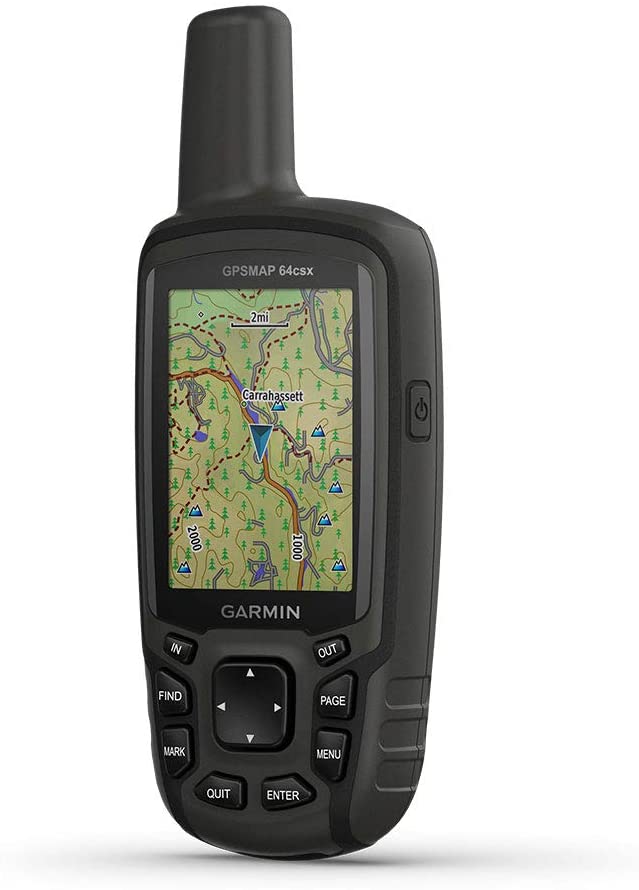
Key Features of the Garmin GPSMAP 64sx:
- Preloaded Topo Maps: Navigate confidently with preloaded Topo maps of the U.S.
- Wireless Connectivity: Stay connected with smart notifications and live tracking.
- Geocaching-Friendly: Perfect for geocaching adventures with support for paperless geocaching.
- Long Battery Life: Enjoy up to 16 hours of battery life on a single charge.
Pros:
- Exceptional GPS accuracy with both GPS and GLONASS support.
- Preloaded Topo maps for the entire U.S.
- Long battery life of up to 16 hours.
- Durable and water-resistant design for rugged terrain.
Cons:
- Slightly more expensive than some competitors.
- The user interface can be a bit complex for beginners.

2. Garmin eTrex 32x – Compact and Reliable
If you’re looking for a compact yet reliable GPS unit for your hiking endeavors, the Garmin eTrex 32x should be on your radar. Despite its small size, it packs a punch in terms of features and performance. The 2.2-inch sunlight-readable color display and high-sensitivity receiver make it easy to use in various lighting conditions.
Key Features of the Garmin eTrex 32x:
- High-Resolution Maps: Detailed maps with routable roads and trails to guide your way.
- Geocache Ready: Ideal for geocaching with GPX files for endless adventure.
- Paperless Geocaching: Download geocache details straight to your device.
- Wireless Sharing: Share your routes and geocaches wirelessly with other compatible devices.
Pros:
- High-resolution, sunlight-readable color display.
- Detailed maps with routable roads and trails.
- Geocache-ready with GPX file support.
- Excellent battery life and wireless sharing capabilities.
Cons:
- Smaller screen sizes may not be suitable for those who prefer larger displays.
- Limited extra features compared to higher-end models.
3. Magellan eXplorist 310 – Budget-Friendly Exploration
If you’re on a tight budget but still need a dependable GPS unit for your hiking adventures, the Magellan eXplorist 310 is an excellent choice. Despite its affordability, it doesn’t compromise on essential features. This rugged device boasts a 2.2-inch color transflective screen and a highly accurate GPS receiver.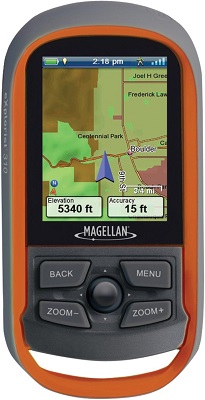
Key Features of the Magellan eXplorist 310:
- Intuitive Interface: Easy-to-use interface with dedicated buttons for quick access.
- Waypoint Creation: Store up to 500 waypoints and 10,000 geocaches to enhance your exploration.
- Track Summary: Review key statistics like distance, time, and elevation of your hikes.
- PC Compatible: Connect your eXplorist 310 to your computer and manage your data effortlessly.
Pros:
- An affordable option for budget-conscious hikers.
- Intuitive interface with dedicated buttons.
- Ample storage for waypoints and geocaches.
- PC connectivity for easy data management.
Cons:
- Lack of advanced features like wireless connectivity.
- Limited map options compared to some competitors.
4. Garmin Oregon 750t – The Multifunctional Masterpiece
The Garmin Oregon 750t is a multifunctional masterpiece that’s perfect for hikers seeking versatility. With its 3-inch touchscreen display, it offers a user-friendly experience and a range of features that go beyond basic navigation. It comes preloaded with TOPO U.S. 100K maps and has a built-in 8-megapixel camera.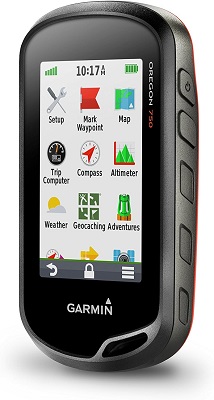
Key Features of the Garmin Oregon 750t:
- Geotagging: Capture your memories with geotagged photos to relive your outdoor moments.
- Dual-Battery System: Use the included rechargeable battery or traditional AA batteries for flexibility.
- Active Weather Support: Stay updated with real-time weather conditions and forecasts.
- 3D Map Views: Visualize your surroundings in 3D for a more immersive experience.
Pros:
- Multifunctional device with a 3-inch touchscreen.
- Preloaded TOPO U.S. 100K maps for detailed navigation.
- Geotagging capabilities with an 8-megapixel camera.
- Weather support for real-time updates.
Cons:
- Higher price point compared to basic GPS units.
- Larger sizes may not suit minimalistic hikers.
5. Suunto Traverse Alpha – The Outdoor Specialist
The Suunto Traverse Alpha is designed with the outdoor specialist in mind. It combines GPS/GLONASS navigation with a range of outdoor features, including a moon phase calendar, shot detection, and sunrise alerts. Its rugged build can withstand the harshest conditions.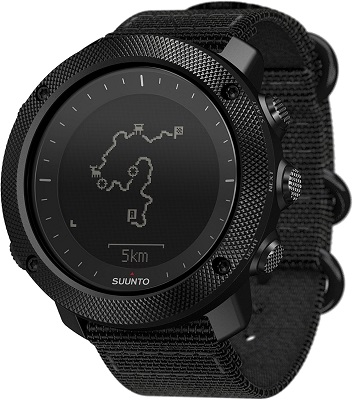
Key Features of the Suunto Traverse Alpha:
- Hunting and Fishing Modes: Specialized modes for hunting and fishing activities.
- Red Backlight: Preserves night vision and reduces screen glare during nighttime use.
- Breadcrumb Trail: Track and save your route for future reference and sharing.
- Built to Last: Withstands water, dirt, and shock for long-lasting performance.
Pros:
- Specialized modes for hunting and fishing activities.
- Red backlight preserves night vision.
- Breadcrumb trail feature for route tracking.
- Rugged and durable build.
Cons:
- Relatively higher cost compared to standard GPS units.
- It may have more features than some hikers need.
Making the Right Choice
Choosing the best hiking GPS unit for your adventures depends on your specific requirements, preferences, and budget. Consider the following factors to make an informed decision:
- Budget: If you’re on a tight budget, the Magellan eXplorist 310 offers great value. For a bit more investment, the Garmin eTrex 32x is an excellent compromise between affordability and features.
- Screen Size: Larger screens, like the one on the Garmin Oregon 750t, provide more comfortable map viewing, but smaller models, such as the eTrex 32x, are more compact and lightweight.
- Advanced Features: If you need geotagging, advanced mapping, and camera capabilities, the Garmin Oregon 750t is a top choice. For specialized outdoor activities, the Suunto Traverse Alpha is perfect.
- Durability: The Suunto Traverse Alpha and Garmin GPSMAP 64sx are built to withstand tough conditions, making them suitable for extreme outdoor enthusiasts.
No matter your choice, any of these hiking GPS units will elevate your outdoor experience and keep you on the right track during your adventures. Explore the Amazon product pages to read more reviews and find the one that perfectly fits your hiking needs.
Final Thoughts
In the world of hiking, having a dependable GPS unit is like having a trusted companion on the trail. The best hiking GPS unit for you will depend on your specific needs and preferences, but any of the options mentioned above will undoubtedly enhance your outdoor adventures.
When selecting your ideal GPS unit, consider factors such as your budget, the type of terrain you plan to explore, and the additional features that matter most to you. Whether you opt for the trailblazing Garmin GPSMAP 64sx, the compact Garmin eTrex 32x, the budget-friendly Magellan eXplorist 310, the multifunctional Garmin Oregon 750t, or the specialized Suunto Traverse Alpha, you can rest assured that you’re making a wise investment in your hiking experiences.
Don’t let uncertainty about your location slow you down. Equip yourself with one of these top-notch hiking GPS units, and explore the great outdoors with confidence.


